If you’ve spent any time shopping for nutcrackers — those iconic, wide-mouthed wooden figures most people recognize from holiday displays — you’ve probably noticed that prices swing wildly. A figure that looks nearly identical to a $400 hand-carved piece might sell for $38 on a big-box retail site. The difference almost always comes down to where and how it was made. “Erzgebirge” (pronounced AIR-tsuh-guh-BEE-rguh) refers to the Ore Mountains region of eastern Germany — specifically the area of Saxony straddling the Czech border — where hand-carved wooden folk art has been a living craft tradition for more than 400 years, as documented by Erzgebirge-Tourismus e.V. in their regional heritage craft overviews. “Asian-finished” is industry shorthand for pieces that are either fully manufactured in China (or elsewhere in Asia) or designed in Germany but sent overseas for machine carving, painting, and assembly before being imported back. This guide will show you how to tell them apart, what the marks actually mean, and how to make the call when you have a piece — or a purchase decision — in front of you right now.
Why Origin Matters Beyond National Pride
The origin question isn’t just about sentiment or authenticity theater. It directly affects three things that matter to practitioners: resale trajectory, long-term structural integrity, and secondary market liquidity.
Resale and auction data tell a clear story. Signed KWO (Kunstgewerbe-Werkstätten Olbernhau) nutcrackers in original condition routinely achieve 80–130% of their original retail price at specialist German-American auction events and on heritage collector platforms. Deutsche Welle’s feature reporting on Erzgebirge folk art markets documents these secondary market patterns in detail. Steinbach pieces — once among the most respected mid-tier names — have become a more complicated case since the brand shifted meaningful portions of its finishing work to Asia. GermanCulture.com.ua’s article “Nutcrackers: History and Tradition” notes that collector communities began flagging this shift in the early 2010s, and it’s visible in auction results: later-production Steinbach pieces from non-German finishing runs frequently sell at 40–60% of retail, while earlier German-finished editions hold value considerably better.
Wood and paint behavior differ over time. Workshop-carved Erzgebirge pieces are typically made from locally sourced linden wood (Lindenholz), which carvers in the region have worked with for generations precisely because of its stable, fine-grained properties. Atlas Obscura’s profile “The Erzgebirge: Germany’s Ore Mountains and Their Wooden Wonders” describes this material relationship as central to the craft’s technical identity. Asian-manufactured pieces more frequently use basswood variants, MDF composites, or resin components for detail work. In climate-controlled environments this distinction is minor; in homes with seasonal humidity swings — which describes most of North America — it becomes relevant over a 10–20 year horizon.
The collector floor. Smithsonian Magazine’s feature on Germany’s Christmas craft villages makes the point that what separates a collectible from a decorative object is provenance that can be documented. If you’re allocating $400–$1,500 on a signed nutcracker edition, you need that documentation to be airtight — not because you’re planning to sell, but because the documentation is part of what you own.
The Five Verification Signals (And How to Weight Them)
Here’s where practitioners need a working decision framework, not just a list of things to look for. These signals aren’t equally reliable, and some can be faked more easily than others.
1. The “Erzgebirge” Certification Mark (High confidence, but verify the format)
Genuine pieces from registered Erzgebirge workshops can carry a regional quality mark — a stamp or label certifying workshop origin. Erzgebirge-Tourismus e.V. maintains published documentation on what legitimate marks look like, including the specific color schemes associated with regional craft certifications. What to watch for: The word “Erzgebirge” on packaging is not itself a protected term — any importer can print it on a box. The certification mark is a specific graphic device, not just a word. If you’re buying online, ask the seller to photograph the mark on the base of the figure, not just on outer packaging.
2. Maker Marks on the Base (High confidence for known houses)
Established Erzgebirge workshops — KWO, Christian Ulbricht, ULPE, Wendt & Kühn (primarily angels, but instructive for mark-reading habits), and Steinbach (with caveats addressed below) — each use specific base stamps or burned-in signatures. These are difficult and economically irrational to fake on individual pieces. GermanCulture.com.ua’s “Nutcrackers: History and Tradition” provides a useful primer on which houses have maintained continuous German production. The tradeoff: A base mark tells you the brand, not necessarily the finishing location. For Steinbach specifically, you need to cross-reference the production year against known timeline data on when non-German finishing began.
3. Movement Quality and Mechanical Detailing (Medium confidence)
Authentic workshop pieces are hand-painted with visible brushstroke layering, especially in facial features, belt details, and boot work. Run a loupe or your phone camera’s zoom across the face: hand-painted eyes show slight irregularity; screen-printed or pad-printed faces on mass-produced pieces have uniformly sharp edges with no tonal variation in the whites. Hinges, jaw mechanisms, and arm linkages on German-workshop pieces are typically brass or steel hardware; Asian-finished pieces more often use plastic pins or lightweight aluminum rivets. The limit of this signal: A skilled Asian manufacturer can approximate hand-painting, and some legitimate German studios have modernized hardware. Use this as confirmatory evidence, not primary.
4. Wood Grain and Weight (Low-medium confidence without handling)
Linden wood is notably lightweight for its size but has a dense, consistent grain. Resin or MDF components feel subtly different — either heavier per volume or with a slightly hollow acoustic quality when tapped. If you’re buying in person at a Christkindlmarkt or from a dealer’s showroom, this is a useful quick filter. If you’re buying remotely, ask for the listed material explicitly in writing before purchase — a reputable seller will have this information.
5. Seller Documentation and Chain of Custody (High confidence when present)
For pieces at the $400+ tier, the most reliable verification is a purchase invoice or authenticity certificate from a recognized importer or direct atelier relationship. Ask specifically: Does this piece come with a certificate of origin? Is that certificate tied to a specific workshop, not just a brand name? Can you provide the production year? Established importers with direct atelier relationships — the kind that alpinegifts.com maintains — can answer these questions specifically. A seller who responds with “it says Made in Germany on the box” is telling you something important about their supply chain visibility.
Comparing Tiers: What Your Budget Actually Buys
The market for nutcrackers splits into three meaningfully different tiers. Understanding what each tier delivers — and where each falls short — is the core of making a sound purchase decision.
Budget Tier: $35–$150 Display Pieces
At this price range, you are almost certainly looking at Asian manufacture or Asian-finished product, regardless of how the marketing copy reads. That is not an automatic disqualifier for a buyer whose goal is seasonal display enjoyment rather than investment-grade ownership. Pieces in this tier can be visually appealing and structurally adequate for light handling. The risk is marketing language: phrases like “inspired by Erzgebirge traditions,” “in the German style,” or “crafted with Old World techniques” are aesthetic positioning, not origin claims. Smithsonian Magazine’s reporting on folk art commercialization identifies this language drift as an accelerating trend in the holiday decor category as demand has outpaced genuine workshop production capacity. Confirm the piece is from a reputable importer, not a drop-shipper, and verify materials are safe if the piece will be in reach of children.
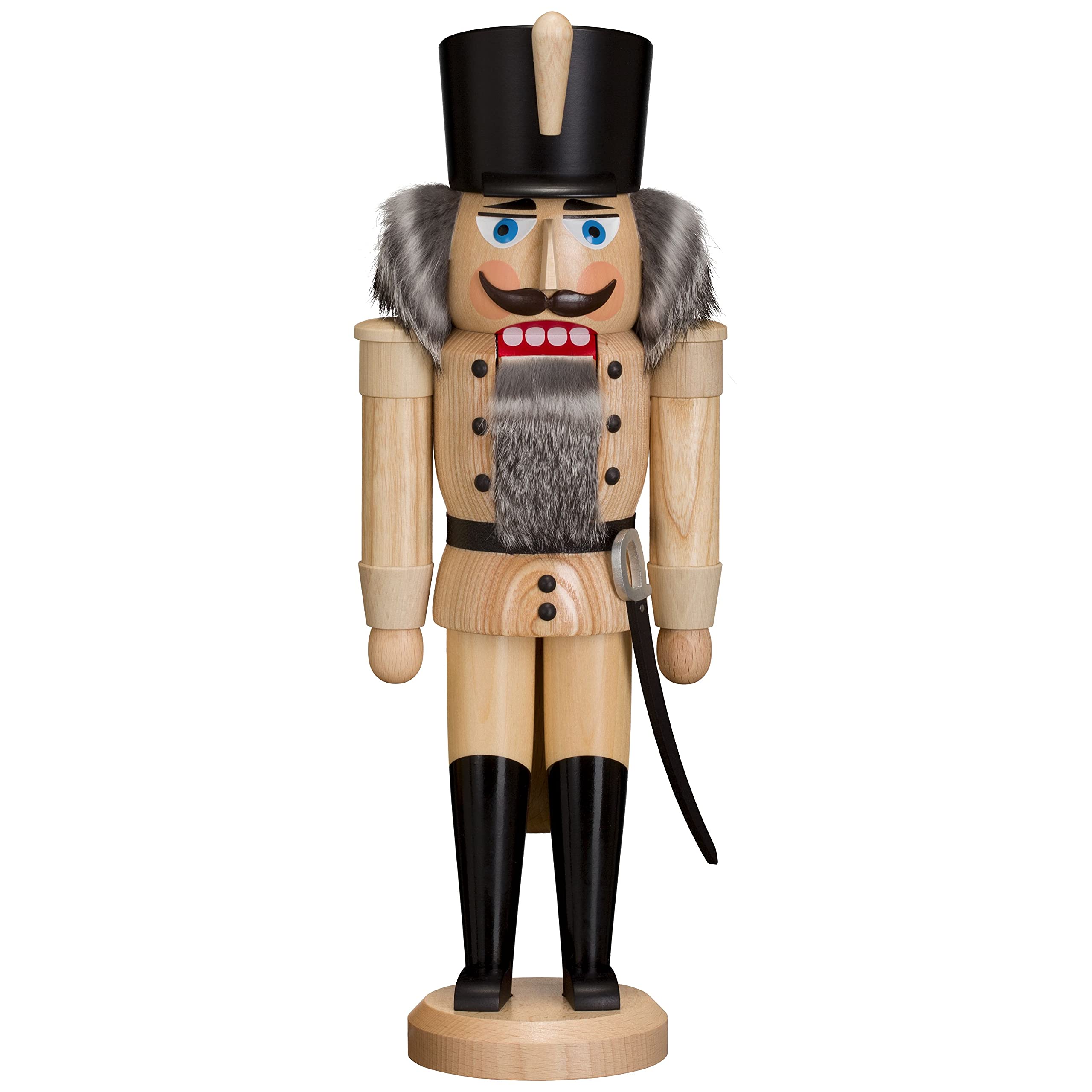
Seiffener
$92.50
In stock on Amazon
Check price on AmazonMid-Tier: $150–$400 Branded Pieces
This is the gray zone that trips up even experienced buyers. Several brands that originated as German workshops have, over the past 15–20 years, moved carving, painting, or final assembly to lower-cost production environments while retaining German design oversight. Steinbach is the most prominent example: early-production pieces with documented German finishing hold value well; post-2010 editions from non-German finishing runs are increasingly treated by collectors as mid-tier decorative pieces rather than investment-grade collectibles, per patterns discussed in GermanCulture.com.ua’s maker history coverage. For any piece in this range, ask for the base mark photograph, confirm the brand’s current production location, and verify the seller can provide an invoice with brand name and production year. For Steinbach specifically, confirm whether it’s a pre- or post-finishing-shift edition before paying at the upper end of this bracket.
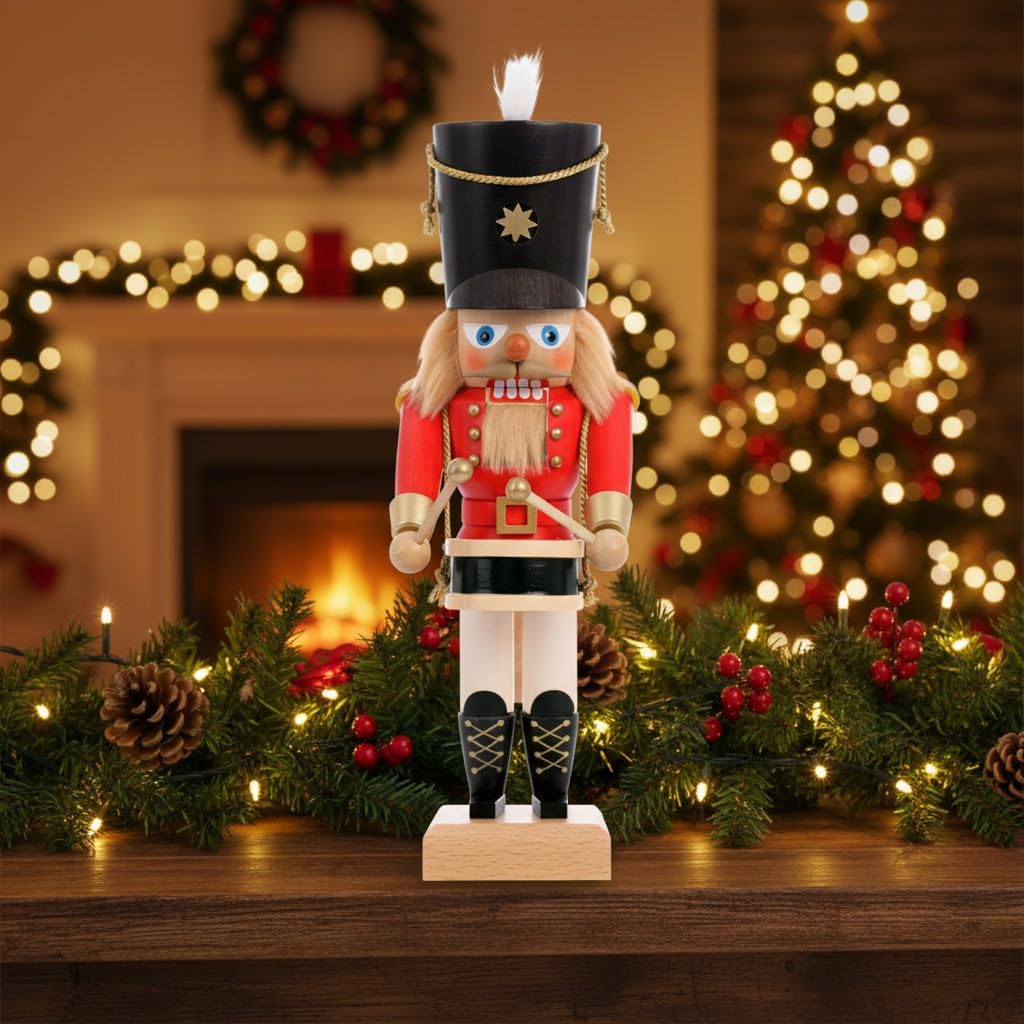
Ulbricht
$198.50
In stock on Amazon
Check price on AmazonPremium Tier: $400–$1,500+ Signed Erzgebirge Workshop Pieces
At this level, you are purchasing a documented artifact of a 400-year craft tradition, not simply a decorative object. Atlas Obscura’s profile of the Erzgebirge region documents how workshops like KWO and ULPE have maintained continuous atelier production through extraordinary historical disruptions — wars, the GDR era, and now globalized manufacturing — precisely because their reputations are inseparable from their provenance. Signed limited editions from these houses routinely achieve 90–140% of original retail on the secondary market when accompanied by complete documentation. At this tier, the paperwork is not a bureaucratic formality — it is part of what you own. Require a certificate of workshop origin tied to a specific Erzgebirge atelier, confirm the maker mark matches the documented format for that house, and buy only from a seller with direct atelier relationships who can answer provenance questions in writing. Deutsche Welle’s feature reporting on the Erzgebirge folk art economy notes that the reputational premium commanded by fully documented workshop pieces has grown, not shrunk, as mixed-origin product has proliferated in the market.
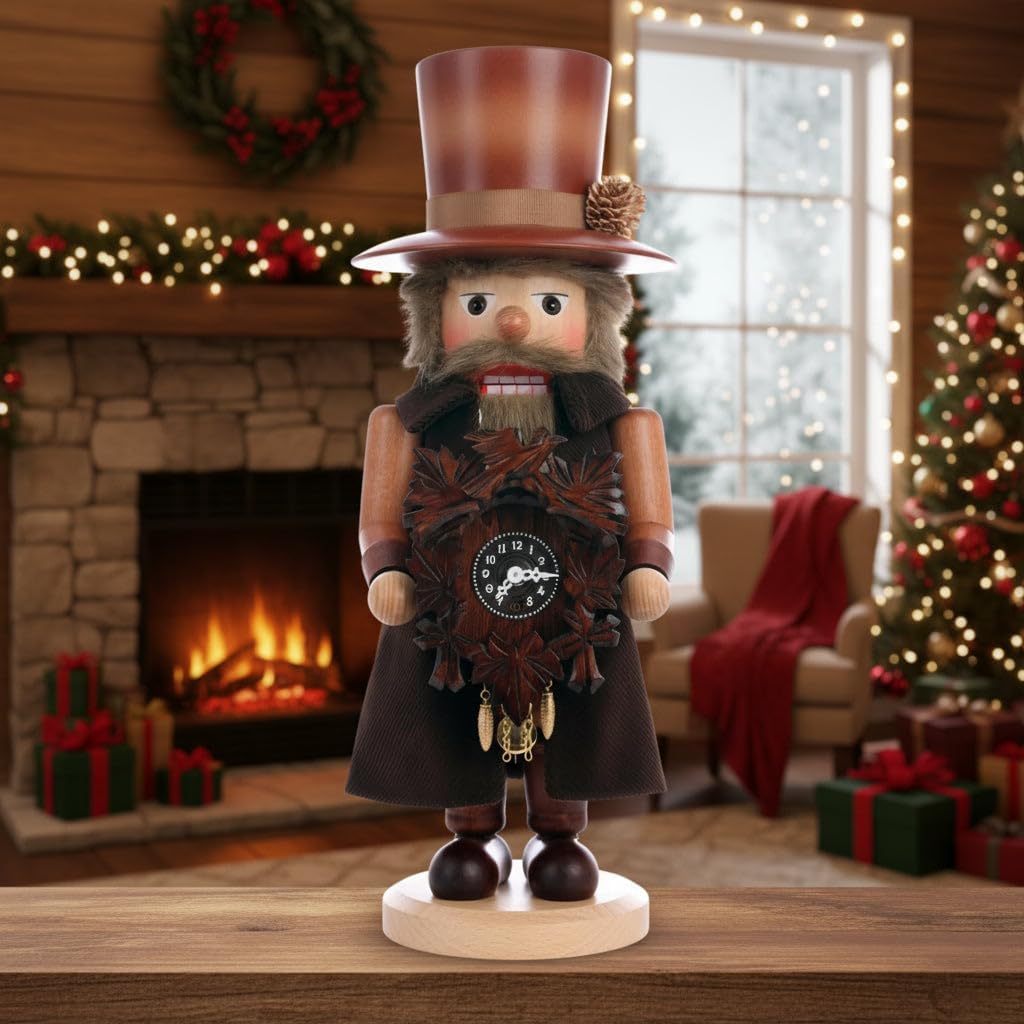
ANGIEHAIE
$496.50
In stock on Amazon
Check price on AmazonThe Decision Matrix
| Price Range | Typical Origin | Expected Resale at 5 Years | Documentation Available? |
|---|---|---|---|
| $35–$80 | Asian manufacture | 20–40% of retail | Rarely |
| $90–$250 | Mixed / Asian-finished | 40–65% of retail | Sometimes |
| $280–$600 | German workshop, signed | 75–110% of retail | Yes, with paperwork |
| $700–$1,500+ | German atelier, limited edition | 90–140% of retail | Yes, required |
Resale estimates are drawn from secondary market patterns reported in Deutsche Welle’s Erzgebirge coverage and collector market analyses discussed in GermanCulture.com.ua’s nutcracker maker histories. Individual results vary by condition, edition, and market timing.
The Decision Rule
If you’re sitting on a purchase decision right now, here’s how to frame it cleanly:
Under $150, buying for display enjoyment: Origin matters less than source integrity. Confirm the seller is a reputable importer with return policies, not a fulfillment drop-shipper with no accountability.
$150–$400, wanting the piece to hold value: Ask for the base mark photograph, pin down the production year, and verify the brand’s current finishing location. For Steinbach, pre- versus post-finishing-shift matters more than any other single variable.
$400 and above, treating the piece as heirloom or investment: There is no shortcut at this tier. Require written documentation of atelier origin, verify the maker mark against documented formats for that specific house, and purchase only from a seller who can answer provenance questions in writing, not just point to box text.
The Erzgebirge craft tradition has outlasted 400 years of economic disruption because the workshops that held their standards built reputations that compounded across generations — a point the Erzgebirge-Tourismus e.V. regional heritage documentation makes plain. The verification work you do before buying is how you make sure you’re participating in that tradition rather than funding a convincing approximation of it.