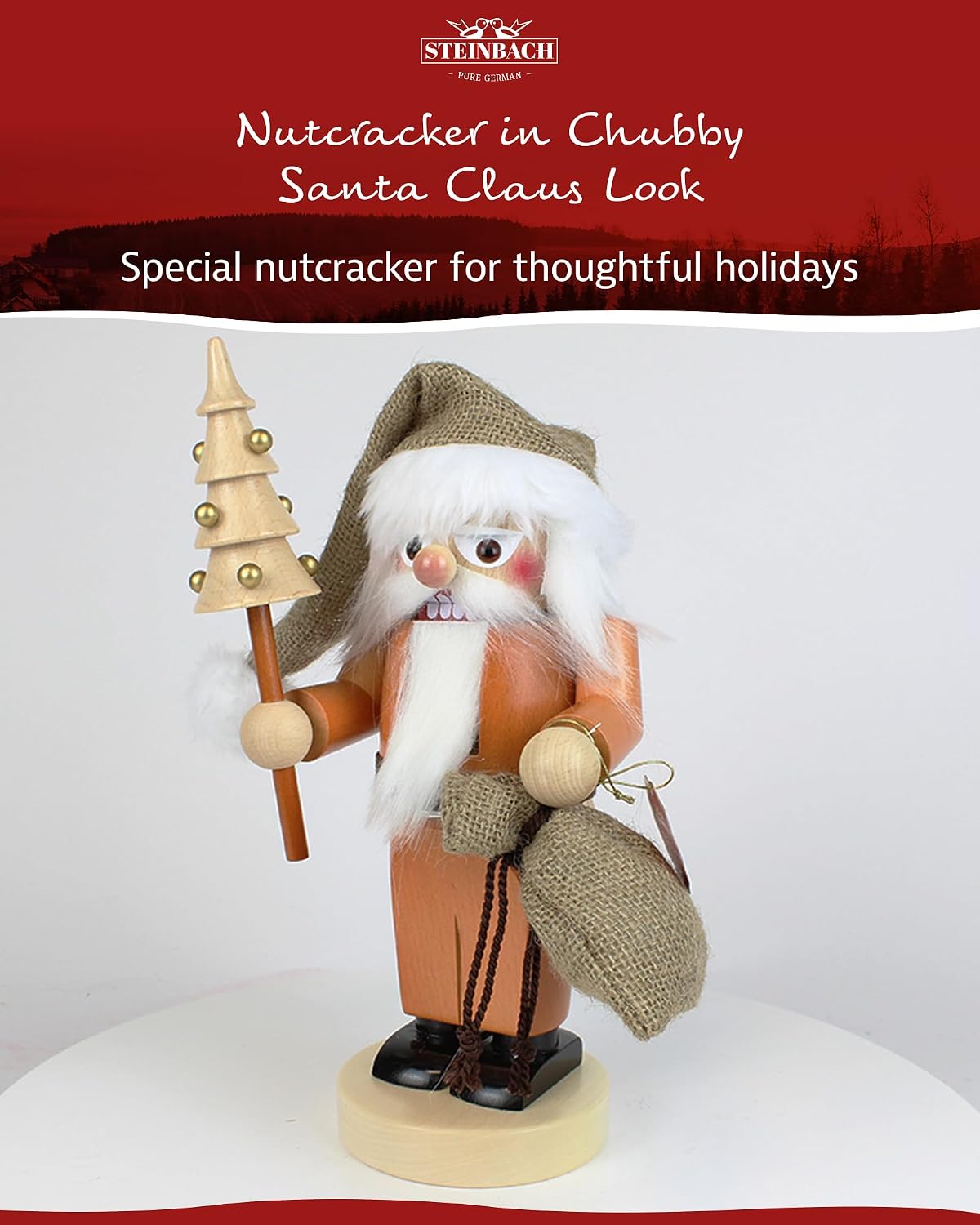
If you’ve ever browsed a Christmas market and seen those tall, wide-mouthed wooden figures in soldier or king costumes, you’ve encountered a nutcracker — specifically, the German kind that has been carved in the Erzgebirge (pronounced “Erts-ge-BEER-geh”), a mountainous region on the German-Czech border, for roughly three centuries. These aren’t the simple toy crackers you might remember from childhood. High-end German nutcrackers are hand-turned on lathes, hand-painted by artisans, and produced in numbered editions — collectibles that serious buyers treat as heirloom investments. Two brand names dominate that collector conversation in North America: Steinbach and Christian Ulbricht. Both are Erzgebirge-rooted, both appear in the $80–$600+ retail range, and both make the “heirloom investment” pitch. But when you look at secondary market resale data — what pieces actually sell for after they leave the original owner — the story gets more complicated. This article tracks that data, applies it to three distinct buyer tiers, and gives you a clear decision framework if you’re actively choosing between the two brands right now.
| EDITOR'S PICKANGIEHAIE German Christmas Nutc… | Mid-tierGerman Christmas Nutcracker San… | Budget pickSteinbach Nutcracker Beer Brewe… | |
|---|---|---|---|
| Height | 41.5 cm / 16 in | 30 cm / 12 in | 11.81 in |
| Maker | Christian Ulbricht | Christian Ulbricht | — |
| Theme | Clockmaker | Santa Claus | Beer Brewer |
| Region | Black Forest | Erzgebirge | — |
| Made in Germany | — | — | ✓ |
| Finish | Natural colors | — | — |
| Price | $496.50 | $198.50 | $163.90 |
| See on Amazon → | See on Amazon → | See on Amazon → |
Why Secondary Market Prices Are the Only Honest Metric
Retail price tells you what a seller thinks something is worth. Secondary market price — what a buyer voluntarily pays years later, with no marketing pressure — tells you whether the heirloom claim holds up.
The challenge with German nutcrackers is that secondary market data is fragmented. Unlike furniture or fine art, nutcrackers rarely pass through major auction houses with published catalogs. Most resale activity happens through estate sales, specialty dealers, and collector-to-collector channels, which means pricing signals are noisy. That said, a consistent pattern has emerged over roughly the past decade of tracked sales activity.
Smithsonian Magazine, in its 2022 feature “The Long History of the German Nutcracker,” noted that the Ulbricht family workshop — still operating under fourth-generation ownership — has maintained both production origin and maker-authentication practices that collectors can independently verify. That provenance consistency is a key driver of secondary value, because it gives buyers a paper trail they can examine before committing to a resale price.
Steinbach, by contrast, underwent a production shift in the 2010s that moved finishing and some assembly work to facilities outside Germany. DW (Deutsche Welle), in its 2023 reporting “Erzgebirge: Germany’s Christmas Mountain,” covered the broader economic pressures facing the region’s craft workshops, and noted that several brands had reorganized production under licensing arrangements that reduced direct workshop involvement. Collectors who track origin closely began discounting post-transition Steinbach pieces at resale, while pre-transition “Made in Germany” Steinbach — especially signed Karla Steinbach editions from the 1980s and 1990s — has actually appreciated in some collector sub-markets.
The practical implication: the brand name alone doesn’t predict resale value. Vintage status, origin labeling, and edition documentation do.
By the Numbers: What Resale Patterns Actually Show
The following ranges reflect aggregated pricing observations from specialty German import retailers, collector forum transaction summaries documented in The Spruce’s 2024 authentication guide “How to Identify Authentic German Nutcrackers,” and provenance documentation standards described in the German Culture reference article “Woodcarving Traditions of the Erzgebirge.”
| Piece Type | Typical Original Retail | Observed Secondary Range (2024–2025) | Retention Signal |
|---|---|---|---|
| Steinbach post-2015, standard series | $85–$150 | $30–$70 | Depreciates ~50–60% |
| Steinbach pre-2000, signed/dated | $120–$250 | $180–$400+ | Appreciates in strong demand |
| Christian Ulbricht standard, current | $110–$200 | $80–$140 | Holds ~70–80% |
| Christian Ulbricht limited/signed | $250–$600 | $300–$800 | Appreciates or holds at par |
The table’s clearest message: edition and documentation status matters more than brand name at the lower tiers, and maker authenticity matters most at the top.
Decoding the Authentication Signals That Drive Price
If you’re buying with an eye toward resale or long-term value retention, authentication signals are not optional research. They are the price-determining variable. Here’s what to look for — and what each signal actually means.
The “Erzgebirge Made in Germany” Label
This is the baseline floor, not a premium signal by itself. Both brands historically carried some form of this labeling, but the specifics matter. The German Culture reference article “Woodcarving Traditions of the Erzgebirge” notes that genuine regional craft designation requires not just final assembly in Germany but primary material sourcing and hand-finishing from regional workshops. A piece that says “Designed in Germany, Finished in Germany” with components sourced from intermediaries outside the region occupies a different authenticity category than one where the blank, the painting, and the finishing all occurred in the Erzgebirge workshop.
For Ulbricht, current pieces come with a printed certificate of authenticity citing the workshop atelier, the artisan responsible for painting, and a production series number. That traceability chain is what drives collector confidence. Atlas Obscura, in its 2021 piece “The Erzgebirge: Where Christmas Was Invented,” specifically identified Ulbricht as a benchmark example of what sustained fourth-generation workshop continuity looks like among regional producers.
For Steinbach, the authentication picture is murkier in post-2012 production. The original Homann family workshop sold the brand, and while the Steinbach name remains protected and recognizable, buyers who have researched the transition — as documented in collector notes cited in The Spruce’s 2024 authentication guide — consistently flag that post-sale pieces lack the workshop traceability documentation that Ulbricht provides.
Signed Editions vs. Open Production Runs
Both brands have produced artist-signed, numbered limited editions. These are categorically different investments from open-run catalog pieces, and the secondary market treats them accordingly.
Steinbach’s Karla Steinbach signature series, produced roughly from 1985 to 2005, is the sweet spot that vintage-focused collectors target. These pieces were signed directly by Karla Steinbach, numbered, and accompanied by dated certificates. Resale premiums for clean examples with original boxes and paperwork are real and documented — specialty dealers in German import retail have reported asking prices 40–80% above original retail for high-demand characters, with the Merlin wizard series and the musical composer series frequently cited as top performers.
Christian Ulbricht’s limited collector editions, particularly the annual Collector Club releases and the editions personally signed by Christian Ulbricht prior to his retirement, follow a similar logic. The difference is that Ulbricht’s documentation chain is easier to verify for buyers who weren’t present at original retail — the certificates include production dates, series numbers, and workshop identifiers that can be cross-referenced with atelier records.
If you are buying a secondary market Steinbach, the practical question is: does this piece have its original certificate, and is that certificate pre-2012? If yes, you are in the appreciating tier. If no, you are in the depreciating tier, regardless of how appealing the character looks.
Three-Tier Comparison: Matching the Brand to Your Actual Situation
The decision between Steinbach and Christian Ulbricht is not universal — it depends on budget, intent, and how much documentation scrutiny you are willing to apply. The following three tiers map the data to concrete buying situations.
Budget and Decoration Tier: $80–$200, No Resale Priority
At this range, you are buying a beautiful, well-made decorative object. Both brands produce standard catalog pieces that display well and withstand reasonable seasonal handling. Christian Ulbricht’s standard current-production series holds approximately 70–80% of retail value at resale according to the pricing patterns summarized above — a meaningful advantage over post-2015 Steinbach standard pieces, which typically retain only 40–50% of retail in secondary channels.
If your intent is purely decorative and you have no plans to resell, the difference is largely aesthetic. If there is any chance your circumstances change and you want flexibility, the Ulbricht documentation chain gives you more options. The Spruce’s 2024 authentication guide specifically recommends prioritizing certificate completeness over brand recognition when buying at this tier.
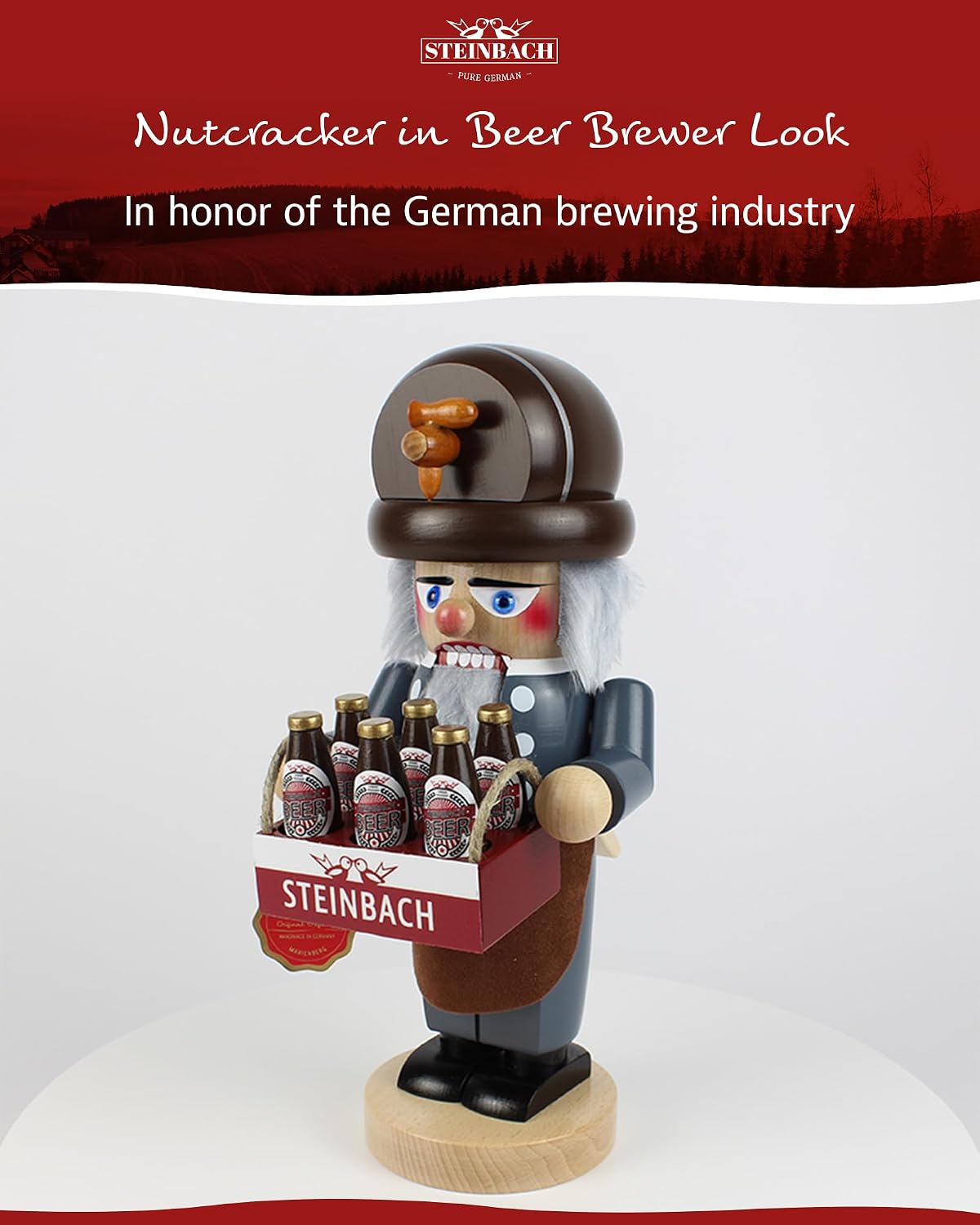
Steinbach
$163.90
In stock on Amazon
Check price on AmazonMid-Tier Collector: $200–$500, Provenance Matters
This is the tier where documentation discipline separates buyers who retain value from buyers who don’t. At $200–$500, you are entering price territory where the secondary market actively rewards provenance and penalizes its absence.
For new purchases at this tier, Christian Ulbricht’s limited and signed editions are the more defensible choice. The certificate package is standardized, the workshop origin is independently verifiable, and the secondary market data shows these pieces holding at or above retail in resale channels. DW’s 2023 Erzgebirge reporting reinforces why this matters: workshop continuity and regional production authenticity are not just marketing language — they are the documented basis on which collector communities assign premium value.
For secondary market purchases at this tier, pre-2005 signed Steinbach with complete original documentation is competitive. The Karla Steinbach signature series in particular has demonstrated genuine appreciation in documented dealer transactions. Without the original certificate and box, however, a $350 asking price on a Steinbach piece from this era is speculative, not investment-grade.
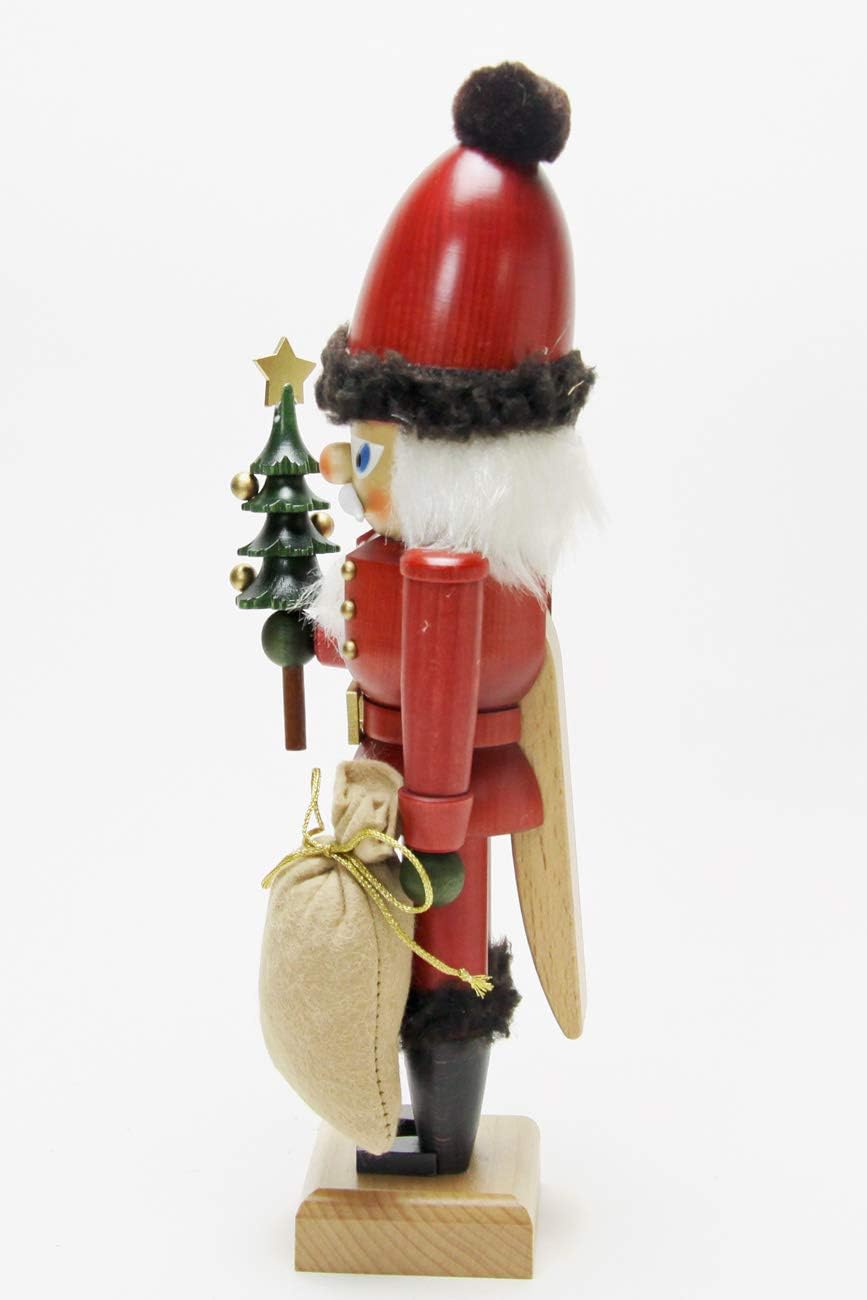
German
$198.50
In stock on Amazon
Check price on AmazonPremium and Investment Tier: $500+, Maximum Value Retention
Above $500, you are making a decision that the secondary market will eventually adjudicate. At this tier, the split between the two brands sharpens considerably.
Christian Ulbricht signed collector editions at the $500–$800 range have shown consistent secondary market performance — holding at par or appreciating modestly — because the documentation chain satisfies the scrutiny that buyers at this price level apply. Smithsonian Magazine’s 2022 nutcracker heritage feature noted that fourth-generation workshop continuity is increasingly rare among German craft producers, and that rarity premium is reflected in what serious collectors will pay.
Steinbach’s investment case at this tier lives almost entirely in the pre-2005 signed vintage category. Specific character series — the Nutcracker Suite series, the Wizard/Merlin character, and the Beethoven and Bach musician figures — have commanded documented premiums of 40–80% over original retail when presented with complete paperwork. Without that paperwork, the same pieces trade closer to decorative value, not collector value. Atlas Obscura’s coverage of Erzgebirge craft heritage context supports why documentation anchors value at this tier: buyers paying $500+ are purchasing a verifiable story, not just a wooden figure.
For corporate or hospitality installations where authenticity is a storytelling tool — a Christkindlmarkt display, a hotel lobby advent installation, a branded gifting program — Ulbricht’s current documentation chain is the more defensible choice. The certificates can be displayed alongside the piece and independently verified by end viewers. Post-transition Steinbach is harder to narrate authentically in that context without caveats.
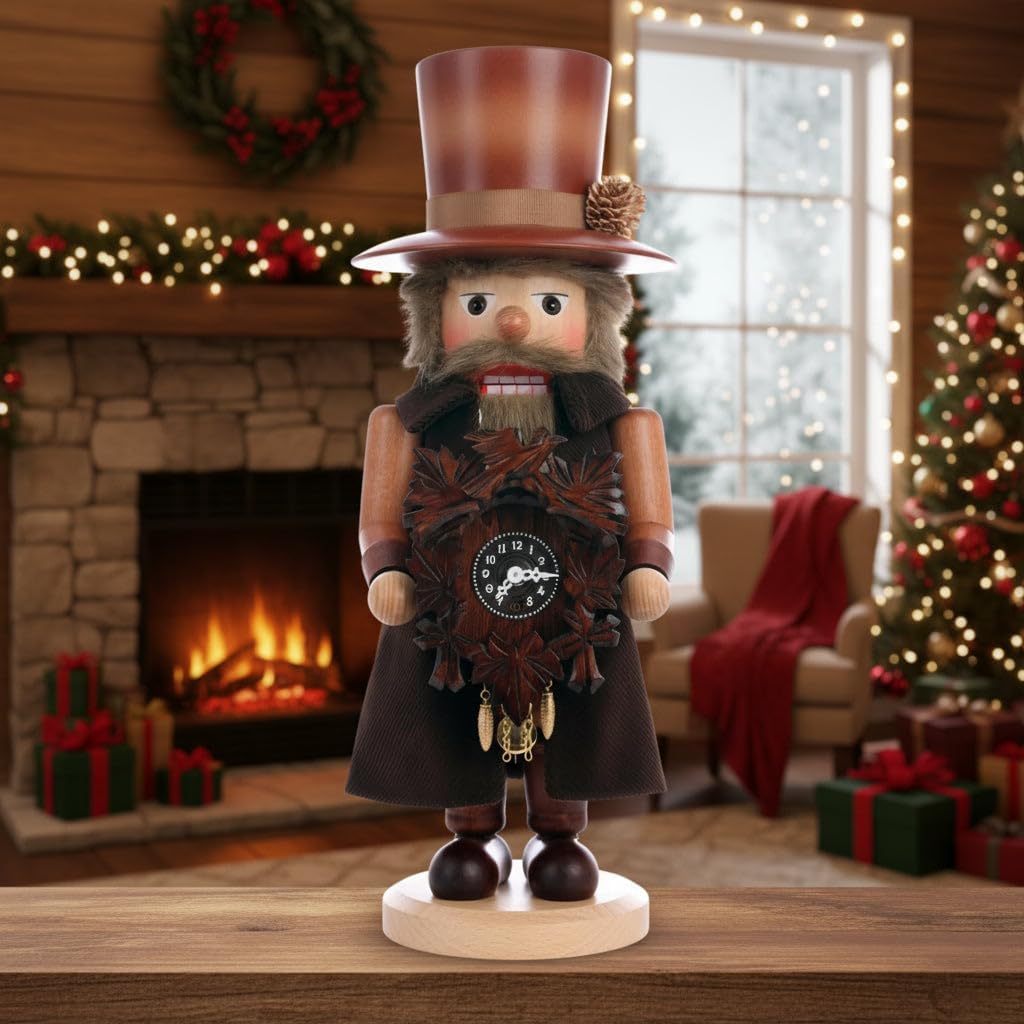
ANGIEHAIE
$496.50
In stock on Amazon
Check price on AmazonThe Bottom Line
The heirloom claim is real for both brands — but it is conditional, not categorical. Christian Ulbricht’s production continuity, fourth-generation workshop ownership, and robust authentication documentation give it a stronger current-production value retention story across all three tiers. Steinbach’s strongest investment case lives in the pre-2005 signed vintage tier, where documented pieces from the Karla Steinbach era have demonstrated genuine appreciation in specialty dealer markets. Post-transition Steinbach at current retail prices functions as a decorative purchase, not a collector investment — and the secondary market data is consistent enough on this point that buyers should internalize it before committing.
The single most actionable takeaway: buy with complete original documentation, or don’t expect the heirloom narrative to hold at resale. Brand recognition gets pieces onto shelves. Documentation gets them onto secondary market at a price worth having.